insights

News & Updates

Wellbeing
3
 mins
November 14, 2025

Learning Beyond Obedience: Building Schools Where Students Think, Feel, and Belong

The IC3 Student Well-being Pulse Report reveals that nearly one in five students feels stressed about academic performance, and one in six worries about their future. These numbers reflect the weight of expectation. Many students work hard to meet standards set by others while carrying quiet self-doubt. Almost half say they sometimes feel they are not good enough. As per the report, among girls, the sense of comparison and inadequacy is even stronger. The result is a generation striving to do everything right, yet unsure of their own voice. Schools, therefore, cannot simply reward discipline and achievement: they must also nurture openness, empathy, and critical thinking, primarily the qualities that help children grow as individuals, not just as students.
Wellbeing
3
 mins
November 10, 2025

India accounts for one in nine of global student suicides: Report

A new study points to mounting pressure in schools and colleges nationwide as the key cause of student suicides, underscoring a deepening mental-health crisis among students
October 24, 2025

The IC3 Regional Conference, South Asia

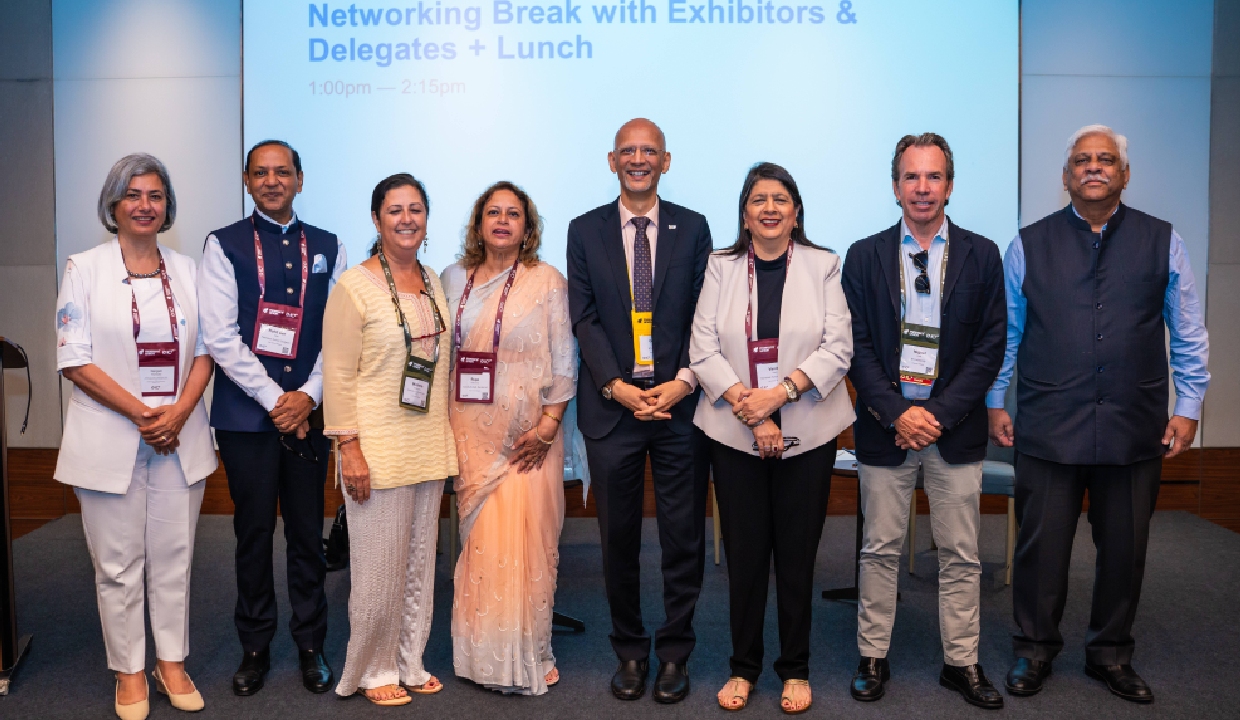
The IC3 Regional Conference, South Asia, will be held for school leaders, counsellors, and teachers, on January 23-24, 2026 at O.P. Jindal Global University. The theme is Looking Deeply – From Information to Insight. All schools and colleges can participate.
3
 mins
October 16, 2025

IC3 Brings Educators Back to Campus to Reconnect, Reflect, and Reimagine Counseling IC3 Brings Educators Back to Campus to Reconnect, Reflect, and Reimagine Counseling

The IC3 Regional Conference, South Asia—the only Regional Conference being held in India this year—will take place on 23–24 January 2026 at O.P. Jindal Global University. Centered on the theme “Looking Deeply – From Information to Insight,” this first-of-its-kind residential experience offers educators a unique opportunity to reconnect.

Blogs

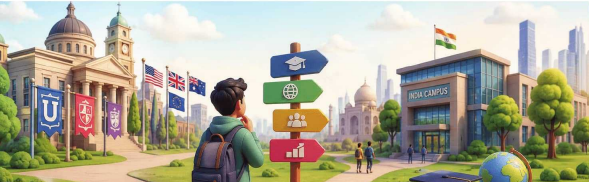
The Rise of Alternative Study Destinations Beyond the Big Four

For years, conversations in counseling offices revolved around a familiar set of study-abroad destinations. The United States, United Kingdom, Australia, and Canada shaped global student aspirations in predictable ways. The “Big Four” were not just destinations; they were icons. They were where families assumed the best opportunities could be found, and where students imagined the beginning of successful global careers.

Dear AI, Let’s Talk About Career Guidance

In classrooms, libraries, and living rooms across the world, students are turning to artificial intelligence for advice about their futures. They ask questions like “What job suits me best?” or “Which college should I apply to?” AI platforms respond instantly, offering data, probabilities, and lists of trending career paths.It feels empowering to have answers at your fingertips. But behind this convenience lies a growing question. Can a machine really understand the complexity of human choices?At the IC3 Movement, we believe technology can assist, but not replace, the art of human guidance. Because while algorithms can predict, counselors can perceive. They bring conversation, context, and care to decisions that shape lives.

The Dropout Dilemma No One Is Talking About

Every year, millions of students leave schools and universities not because they lack capability, but because their learning paths fail to align with who they are. Behind each dropout statistic is a story of potential interrupted, of talent that could have thrived if the education system had supported self-awareness and guidance. The dropout crisis is no longer about access alone. It is about alignment. Students around the world are increasingly disengaging from education because they do not see meaning, relevance, or direction in what they are pursuing.

Beyond Prestige: How Students Are Redefining “Fit” in a Purpose-Driven World

For decades, conversations around college fit often circled around rankings, acceptance rates, and name recognition. Counselors, parents, and students alike measured success by proximity to prestige. Yet, a quiet but powerful shift is underway. Across continents and classrooms, students are beginning to ask a deeper question: not just “Where can I get in?” but “Why am I going there?”This evolution in mindset represents one of the most meaningful transformations in modern education. It signals a move from prestige to purpose, from status to substance, and from competition to connection.