insights

IC3 Dialogues

Play icon

Higher Education: Investing in Your Future and Navigating Costs

Join Dr. Daniel Marschner, Director of International Recruitment at Loyola Marymount University, USA, and Dr. Pavak Vyas, Undergraduate Recruitment Officer, University of Waterloo, Canada, for a candid discussion on the realities of funding higher education in the U.S. and Canada. This video explores the rising costs of global education, provides a realistic perspective on full scholarships, and highlights innovative ways to make quality education more affordable. Discover the benefits of the co-op model, community college transfer paths, and how to view your degree as a long-term investment in your career and life. Whether you're a student, parent, or counselor, this conversation offers valuable insights into finding the "right fit"—academically, socially, and financially.
Play icon

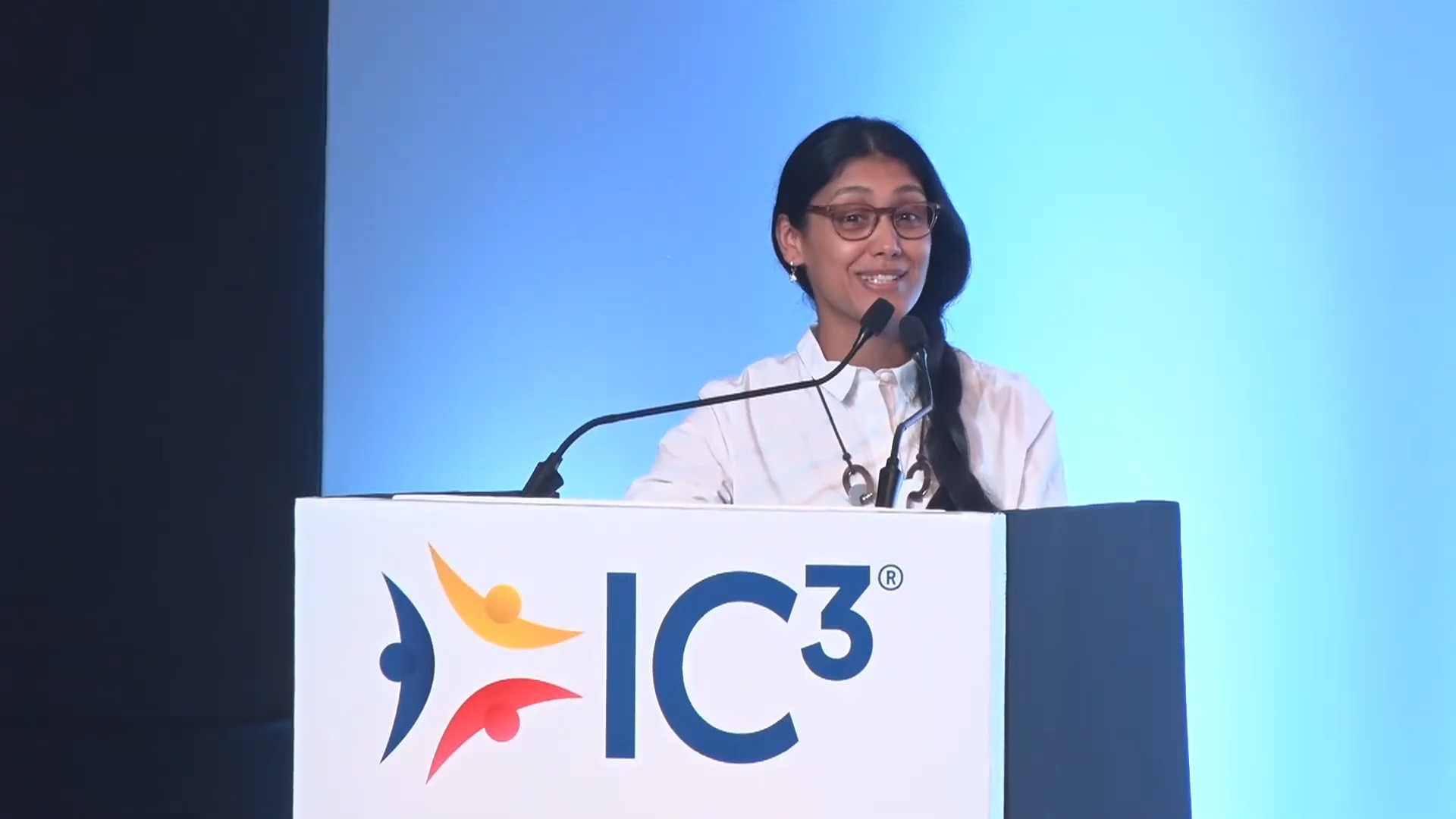
Opening Keynote by Roshni Nadar Malhotra | 5th Annual IC3 Conference

At the 5th Annual IC3 Conference, Roshni Nadar Malhotra, Chairperson, HCL Technologies & Trustee, Shiv Nadar Foundation was the keynote speaker for the opening plenary. Committee. She is a Trustee of the Shiv Nadar Foundation, which has invested $988 million in nation-building institutions and has driven transformational leadership since inception in 1994. Passionate about wildlife and conservation, Roshni established The Habitats Trust in 2018, which works to protect India’s natural habitats and indigenous species. In recognition of her outstanding work both in business and in philanthropy, Roshni has received several honors and accolades including being featured in "The World's 100 Most Powerful Women" compiled and released by Forbes, in 2020 for the fourth consecutive year.

Blogs

Why Comparing Your Career Journey to Others Can Hold You Back

• July 17 2026
As students prepare for college and future careers, it's easy to fall into the trap of comparing our journey with someone else's. This blog explores why success has no universal timeline and how personal values, strengths, and aspirations shape every career path differently. By focusing on growth instead of comparison, students can build confidence, make more authentic career choices, and define success on their own terms. After all, the only career journey that truly matters is the one that's uniquely yours.

The Counselor's Role in an Age of AI

• July 13 2026
While AI provides instant, 24/7 access to vast career data and emerging trends, choosing a profession remains a deeply human decision. Artificial intelligence excels at delivering information, but it cannot navigate the emotional complexities, personal values, or anxieties that students face. Human counselors remain essential by offering the empathy and contextual wisdom needed to manage information overload and build long-term resilience. Ultimately, the future of career guidance is a partnership where AI supplies the data, and counselors help students discover their true purpose.

Beyond Beaches and Holidays: Why Thailand Is Emerging as Asia's Next Education Destination

• July 10 2026
Thailand is rapidly evolving beyond its tourism roots to become a strategic, cost-effective higher education hub for international students, particularly from India. As families increasingly prioritize return on investment and practical employability over traditional university rankings, Thailand offers a compelling mix of affordable tuition and strong industry connections. Its strategic location at the heart of the ASEAN region provides students with hands-on, applied learning experiences and direct exposure to diverse, growing economies. With short travel times, manageable living costs, and a modern focus on real-world skills, the country is well-positioned to prepare graduates for a rapidly shifting global market.

Why cross-border collaboration is essential for student success

• June 26, 2026
In an increasingly interconnected world, cross-border collaboration in education is no longer optional; it is a necessity for student success. This blog highlights how schools, universities, counselors, and industry leaders must partner together to prepare students for a globalized workforce. By breaking down national boundaries, educational institutions can provide comprehensive guidance, expand access to international opportunities (both physical and virtual), and expose learners to diverse perspectives. Ultimately, these global partnerships equip students with critical skills like cultural awareness, empathy, and adaptability, fostering an inclusive global education community dedicated to helping every learner thrive.

News & Updates

Wellbeing
3
 mins
March 7, 2026

Preparing students for exams beyond the syllabus

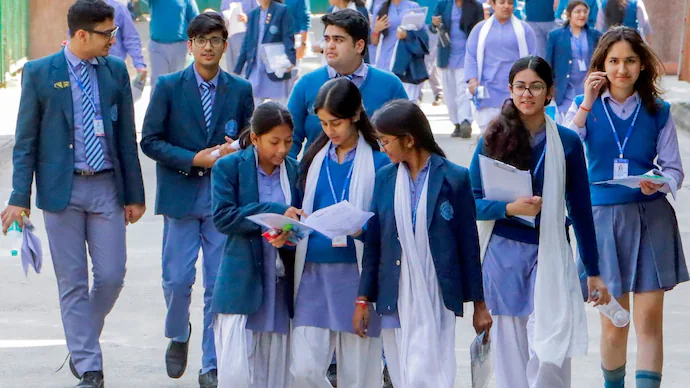
Ganesh Kohli, Founder of IC3 Movement, highlights the importance of emotional readiness alongside academic preparation during the board examination season, bringing attention to the growing pressure students face beyond the syllabus in this authored article.
Wellbeing
5
 mins
March 3, 2026

Why are female students reporting higher stress and anxiety levels than their male counterparts in schools?

The IC3 Student Well-being Pulse Report (2025), drawing on responses from students across schools, exposes a widening gender gap in stress, anxiety, and emotional security. Nearly 1 in 3 female students rarely or never feel calm and relaxed, compared to about 1 in 4 boys, according to the IC3 report.
February 16, 2026

Beyond Marks: Why Counseling Must Become Core Infrastructure In Indian Schools

Ganesh Kohli, Founder of IC3 Movement, reflects IC3’s sustained work over the past decade in building counseling ecosystems across schools and advocating for structured, continuous guidance as a core part of education. He reinforces IC3’s perspective that counselling must move from being an optional or late-stage service to becoming an integral component of school readiness and student well-being.
February 9, 2026

Stress does not begin in exam hall, it builds gradually

Ganesh Kohli, Founder of the IC3 Movement, explores how student stress is cumulative and often begins much before examinations, driven by sustained academic pressure, performance expectations, and uncertainty around future pathways. He highlights that emotional fatigue, lack of clarity, and limited access to structured guidance frequently shape students’ experiences during board exam periods.