insights

IC3 Dialogues

Blogs

Can School Teach Confidence, Or Is It Learned Through Experience?

• 25 August 2026
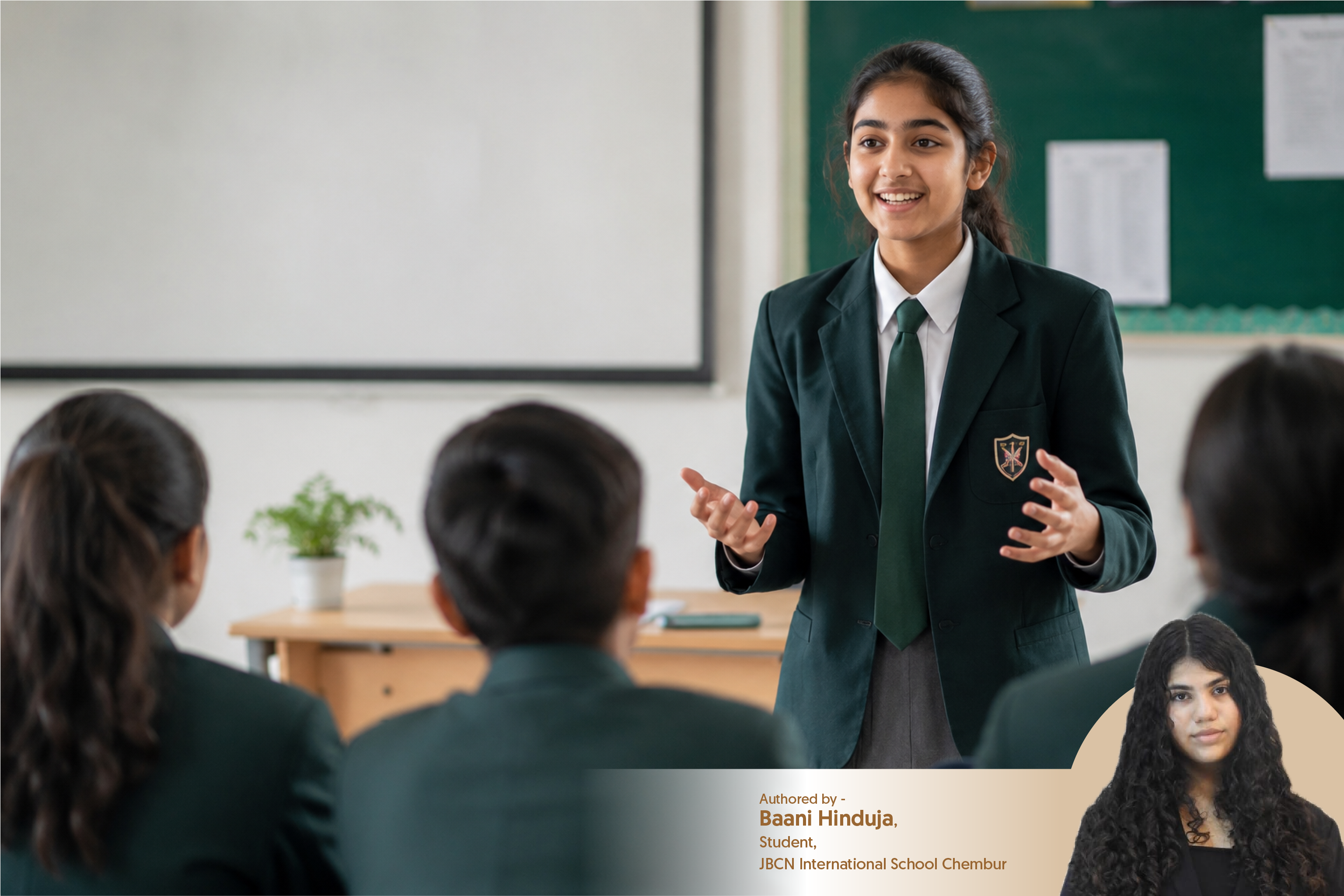
Telling young people to "just be confident" fails because confidence is not a loud performance or an academic subject that can be directly taught. True self-belief develops through lived experience, as students gather personal evidence that uncertainty, mistakes, and fear are survivable. Schools cannot hand out confidence, but they can deliberately create repeated, meaningful opportunities for students to speak, lead, and participate. These experiences must take place in an emotionally safe environment where making mistakes does not carry the threat of judgment or humiliation. Genuine confidence manifests differently for everyone, meaning quiet competence and individual talents are just as valid as loud public speaking. Ultimately, confidence is not a curriculum topic waiting to be taught, but a natural byproduct of having safe spaces to try.

More Than Just Marks: The Hidden Battle for Student Wellbeing

• 07 August 2026
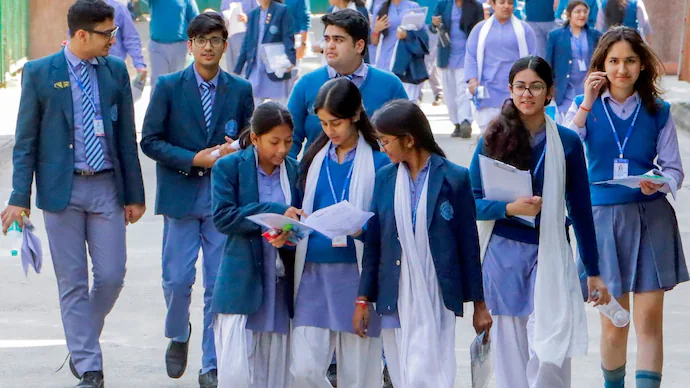
Students are battling intense, sustained pressure, sleep deprivation, and loneliness driven by relentless academic demands and toxic social media comparison. This chronic stress is not merely a personal issue but a structural problem that directly impairs cognitive function, memory, and academic performance. Despite these ongoing challenges, recent surveys show a hopeful decline in severe student depression, largely credited to better institutional support and counseling. Wellbeing can be improved through practical habits like prioritizing sleep, establishing screen-time boundaries, staying physically active, and seeking professional help. True student wellbeing requires a united effort from parents, teachers, and educational systems to prioritize mental health as the essential foundation of all learning.

The Hidden Curriculum - Life happening in between classes

• 04 August 2026
In "The Hidden Curriculum," Viha Jain explores how vital life skills—like navigating uncertainty and building relationships—occur quietly in the spaces between formal classes. While schools prioritize measurable grades, everyday experiences like group projects and sending intimidating emails actually teach resilience, empathy, and courage. These intangible lessons are rarely recognized in the moment and are often mistakenly assumed to be innate personality traits rather than learned behaviors. Ultimately, this hidden curriculum goes beyond teaching academic knowledge to subtly and profoundly shape the kind of person you are becoming.

The Missing Lessons In Modern Education

• July 31 2026
Modern education equips students with academic knowledge but often overlooks the practical life skills needed beyond the classroom. From financial literacy and communication to career decision-making and resilience, many essential lessons are still left for students to learn through experience. As the world of work evolves rapidly, education must expand beyond examinations to prepare students for real-life challenges. Academic excellence should remain the foundation, but life skills must become an equally important part of learning.

News & Updates

Wellbeing
4
 mins
May 11, 2026

14,488 student deaths recorded in 2024; rising faster than overall rate: NCRB

Ganesh Kohli, founder of Mumbai-based International Career and College Counseling (IC3) Movement, said that to prevent student suicide cases, educational institutions must integrate mental health awareness into mainstream education as essential student support systems. “Teachers and parents also need greater sensitisation to recognise early signs of distress and create environments where students feel safe seeking help without fear of judgment,” he said.
May 9, 2026

Complexity Needs Navigation

The article, authored by Ganesh Kohli - Founder of IC3 Movement, highlights that the growing conversation around the value of college degrees reflects a fundamental shift in how education connects to the future of work and life. It underscores the critical role of structured, sustained guidance in helping students navigate an increasingly complex and multi-layered system of academic and career choices.
Wellbeing
5
 mins
April 20, 2026

Rote to reasoning: How CBSE is resetting the way students think, learn and grow

The upcoming 2026-27 CBSE curriculum is shifting away from rote memorization toward competency-based education that prioritizes reasoning, adaptability, and critical thinking. Ganesh Kohli, the founder of the IC3 Movement, outlines the critical impact and practical challenges of these changes. He highlights that the new competency-based system corrects a long-standing flaw in education & If implemented thoughtfully, it will deepen cognitive learning, but if treated as mere compliance, it will only add pressure.
Wellbeing
1
 mins
April 6, 2026

Beyond Screen Time: Are We Ignoring the Real Crisis in India’s Social Media Debate?

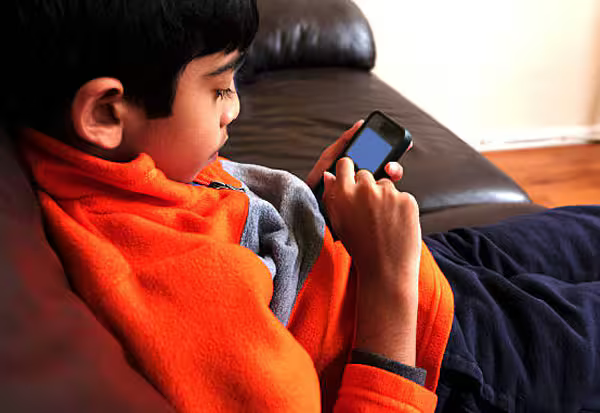
Ganesh Kohli, founder of IC3 Movement, highlights how the current discourse needs to move beyond surface-level metrics and address the underlying impact of social media on student well-being, identity, and decision-making. He further emphasizes the need for a more balanced and informed approach - one that involves educators, parents, and institutions working together to build awareness, resilience, and responsible digital engagement among students.